

A PET scan is a detailed imaging procedure that helps detect abnormalities in your body by using a small amount of radioactive tracer. The process includes a consultation to review your medical history, preparation through fasting, and a simple injection of the tracer. After a brief waiting period, the scan captures images of your body’s metabolic activity, often combined with a CT scan for enhanced accuracy. The procedure is safe, non-invasive, and followed by a review of results with your doctor to guide any necessary treatment.

Before the PET scan, you will have a consultation with your doctor. During this visit, the doctor will explain the procedure, discuss your medical history, and inform you about any necessary preparations.

You may be instructed to fast for several hours (typically 4-6 hours) before the scan. This helps improve the accuracy of the results by ensuring that your blood sugar levels are stable, which can reduce background activity in the images.
Inform your doctor about any medications you're taking, as some may interfere with the scan results.
Wear comfortable, loose-fitting clothing. You might need to change into a hospital gown, so avoid clothes with metal fasteners or zippers

On the day of the scan, arrive at the PET centre about 30 minutes to an hour before your scheduled appointment. This allows time for any necessary paperwork and preparatory steps.

You will check in at the front desk and fill out any forms regarding your medical history and the reason for the scan.
The staff will conduct a safety screening to ensure there are no contraindications to the procedure, particularly concerning pregnancy or existing medical implants.
If you have any mobility issues or need assistance, inform the staff upon arrival so they can provide the necessary support to ensure a smooth experience.

After checking in, a healthcare professional will administer a small amount of radioactive material (the tracer) into your vein, typically in your arm.

The tracer is usually a glucose-based compound called FDG (fluorodeoxyglucose). Since cancer cells and other metabolically active tissues consume glucose at a higher rate, this helps highlight areas of concern in your body.
After the injection, you will wait for approximately 30 to 60 minutes to allow the tracer to circulate and accumulate in the tissues. During this time, it’s essential to remain still and calm.
You may be encouraged to drink water during the waiting period to help optimize the tracer's circulation and improve image quality, unless advised otherwise by the staff.

Once the waiting period is over and the tracer has had sufficient time to circulate through your body, a healthcare professional will guide you to the scanning room.

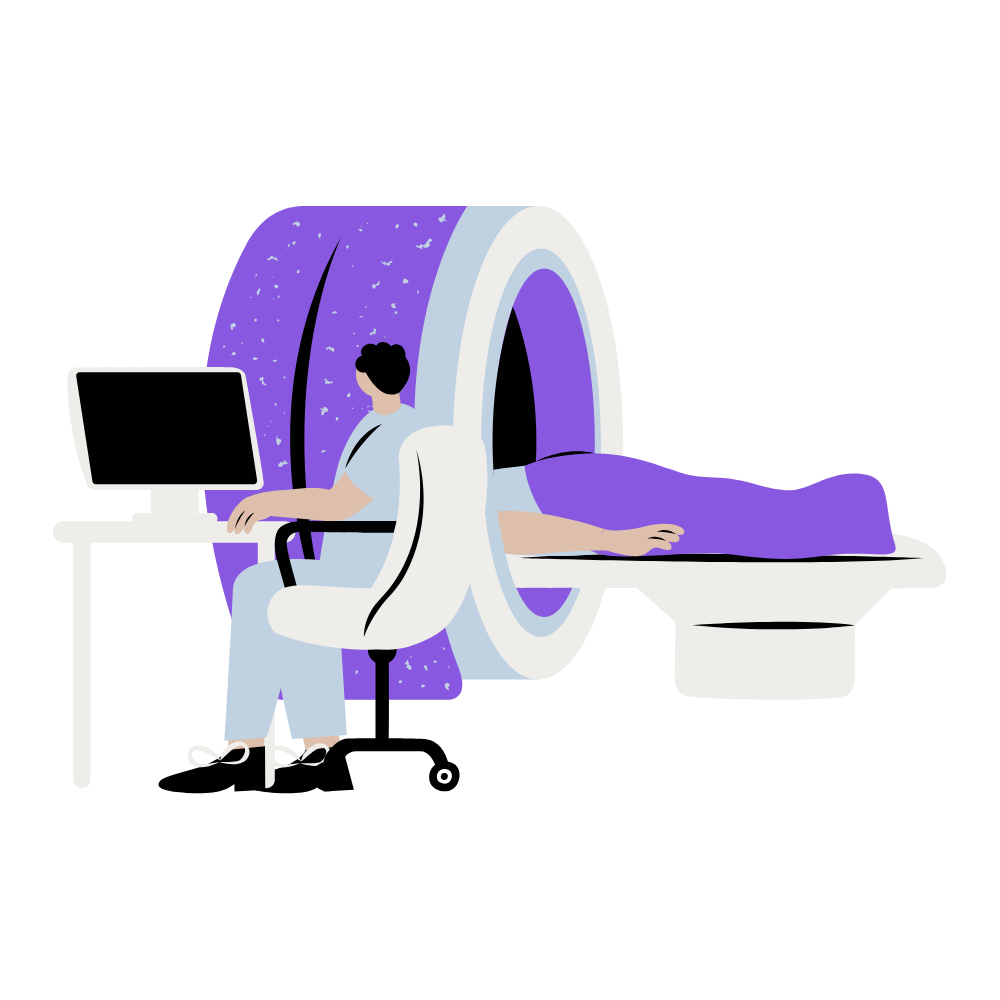
You will lie down on a padded table that will slide into the PET scanner. The scanner itself resembles a large doughnut or ring.
The actual scanning process typically takes about 20 to 30 minutes. During this time:-
○ You’ll need to remain as still as possible. Movement can blur the images and
affect the scan’s accuracy.
○ The machine will detect the radiation emitted by the tracer in your body and create images that reflect metabolic activity.
In many facilities, the PET scan is performed in conjunction with a CT scan. This means that after the PET scan is complete, the table may move to a different area of the machine for the CT portion, which takes additional time. The CT scan provides detailed anatomical images, allowing for a comprehensive assessment of any areas highlighted by the PET scan.

Once the scans are complete, you will be helped off the table, and the technologist will explain any post-scan instructions.

You can resume your normal activities immediately, but it's recommended to drink plenty of fluids to help flush the radioactive tracer out of your system.
Most people do not experience any side effects from the tracer, but if you feel unwell or have unusual symptoms, contact our healthcare provider.
Although the radioactive tracer leaves your body quickly, you may be advised to avoid close contact with infants, young children, or pregnant individuals for a few hours as an extra precaution.

After the scan, a radiologist will analyze the images and prepare a report detailing their findings.
Your doctor will review the report with you during a follow-up appointment. They will explain the results and discuss any further steps if necessary, such as additional testing or treatment options.
The images will be carefully reviewed by a radiologist specializing in PET scans to ensure an accurate interpretation of the results.
The timeframe for receiving your report may vary, but most results are typically available within 1-2 days. our healthcare provider will inform you if additional analysis is required.
we are committed to offering exceptional MRI and PET scan services